AI video generation technology is transforming how we create and consume visual content in the modern digital landscape. By using deep learning models and advanced algorithms, these innovative tools interpret text prompts and generate hyper-realistic images and videos, making high-end production accessible to independent creators. It bridges the gap between raw imagination and finished cinematic visuals, allowing creators to produce stunning, multifaceted video edits without the need for expensive physical equipment or large production crews. This democratization of video production is revolutionizing the creator economy by offering endless possibilities for innovation and artistic expression.
Understanding Flow AI for Content Creation
Flow AI represents the cutting edge of AI-driven creative tools, serving as a powerful platform for generating lifelike avatars and dynamic scenes from simple text inputs. Users can input specific descriptions regarding clothing, facial expressions, scenery, and atmosphere, and the AI processes this data to generate high-fidelity results. This tool streamlines the post-production workflow, enabling rapid prototyping of visual ideas and turning static concepts into fluid, moving pictures seamlessly. The system’s ability to maintain high consistency across frames while adapting to complex instructions makes it an indispensable asset for modern digital storytelling and brand promotion.
Narrative Storytelling with AI
The application of this technology in bringing complex narrative arcs, such as transforming a romantic memory into a haunting reality or portraying emotional moments of sacrifice, to life is particularly striking. Creators can use AI to place recognizable figures into various hypothetical environments, allowing for the creation of engaging social media content that feels both personal and high-quality. The AI meticulously renders the distinctive features and clothing of the individuals and the environment. These transitions and stylistic shifts allow filmmakers to delve deep into the psychology of their characters without relying on traditional filming methods.
The Art of Effective Prompt Engineering
To achieve the best results with tools like Flow AI, the prompt itself must be highly detailed and descriptive. Effective prompts include specific instructions about the subject’s appearance, the lighting conditions, the background environment, and the camera angle. By providing this level of granularity, creators guide the AI’s generation process, resulting in outputs that are closer to their intended outcome. This process requires a blend of creative vision and technical understanding, as subtle changes in wording can significantly impact the final video, making prompt engineering a critical skill for digital content creators. Developing this skill allows for greater control over the AI’s output, ensuring that every element of the scene is tailored to the specific narrative needs and aesthetic standards of the project.
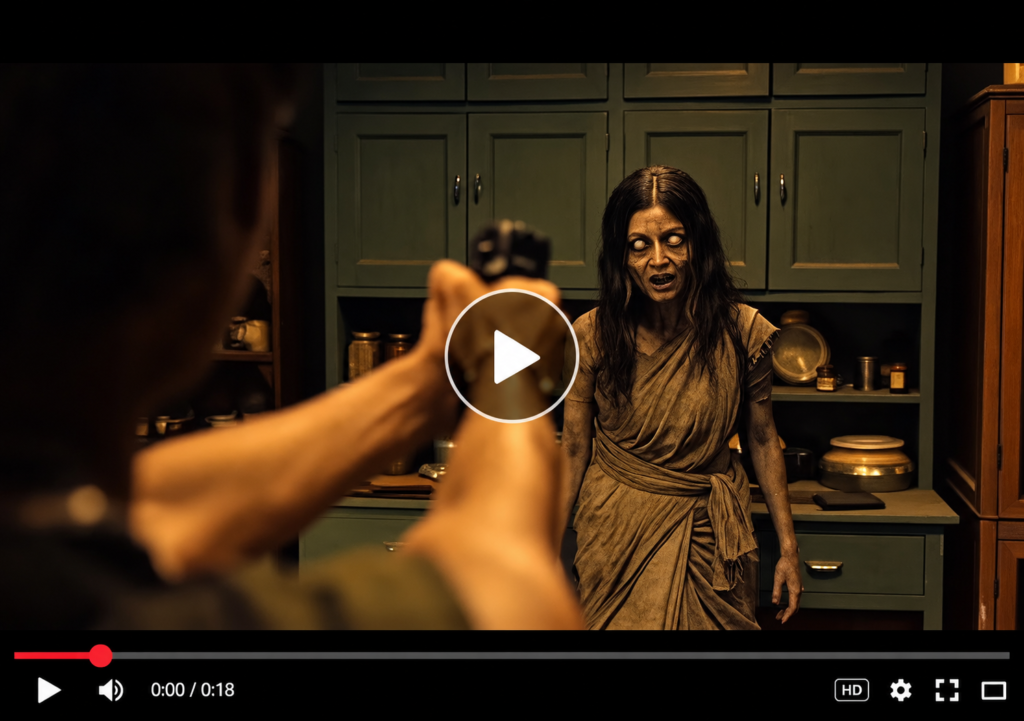
SECOND 1: A WEEPING BOY HOLDS A GUN INSIDE A SPOOKY HOUSE. SECOND 2: A REAL-LOOKING, SCARY WITCH EMERGES FROM THE SHADOWS AND DASHES QUICKLY TOWARD HIM. SECOND 3: THE BOY AIMS THE GUN DIRECTLY AT THE WITCH. SECOND 4: HE DROPS THE GUN; SHE RUSHES TO EMBRACE HIM. SECOND 5: THEY COLLAPSE TOGETHER SLIDING ONTO THE SNOWY GROUND. SECOND 6: THE WITCH TRANSFORMS INSTANTLY INTO A BEAUTIFUL GIRL. SECOND 7: A FAST SUNRISE EMERGES; THEY SHARE A DEEP KISS. SECOND 8: THE VIDEO ENDS FADING TO BLACK.
Future of AI Content Creation
The future of AI content creation looks incredibly promising, with continuous advancements in realism, speed, and accessibility. As these models become more sophisticated, the possibilities for creative expression will expand, allowing for even more complex and immersive video generation. This evolution will likely democratize video production further, enabling independent creators to produce work that rivals major studios. The integration of AI into creative processes is not just a passing trend but a fundamental shift in how visual stories will be told, offering endless opportunities for innovation and artistic exploration in the digital age.
Conclusion
In conclusion, Flow AI and similar AI video generation platforms are revolutionizing content creation by making professional-grade visuals accessible to anyone with a creative idea. By leveraging these dynamic tools and mastering prompt engineering, creators can produce cinematic and engaging videos that resonate with audiences worldwide. This technology is reshaping the digital landscape, offering new avenues for storytelling, limited only by the imagination. As tools continue to evolve, the distinction between human-led and AI-assisted creation will blur, paving the way for a new era of artistic collaboration.