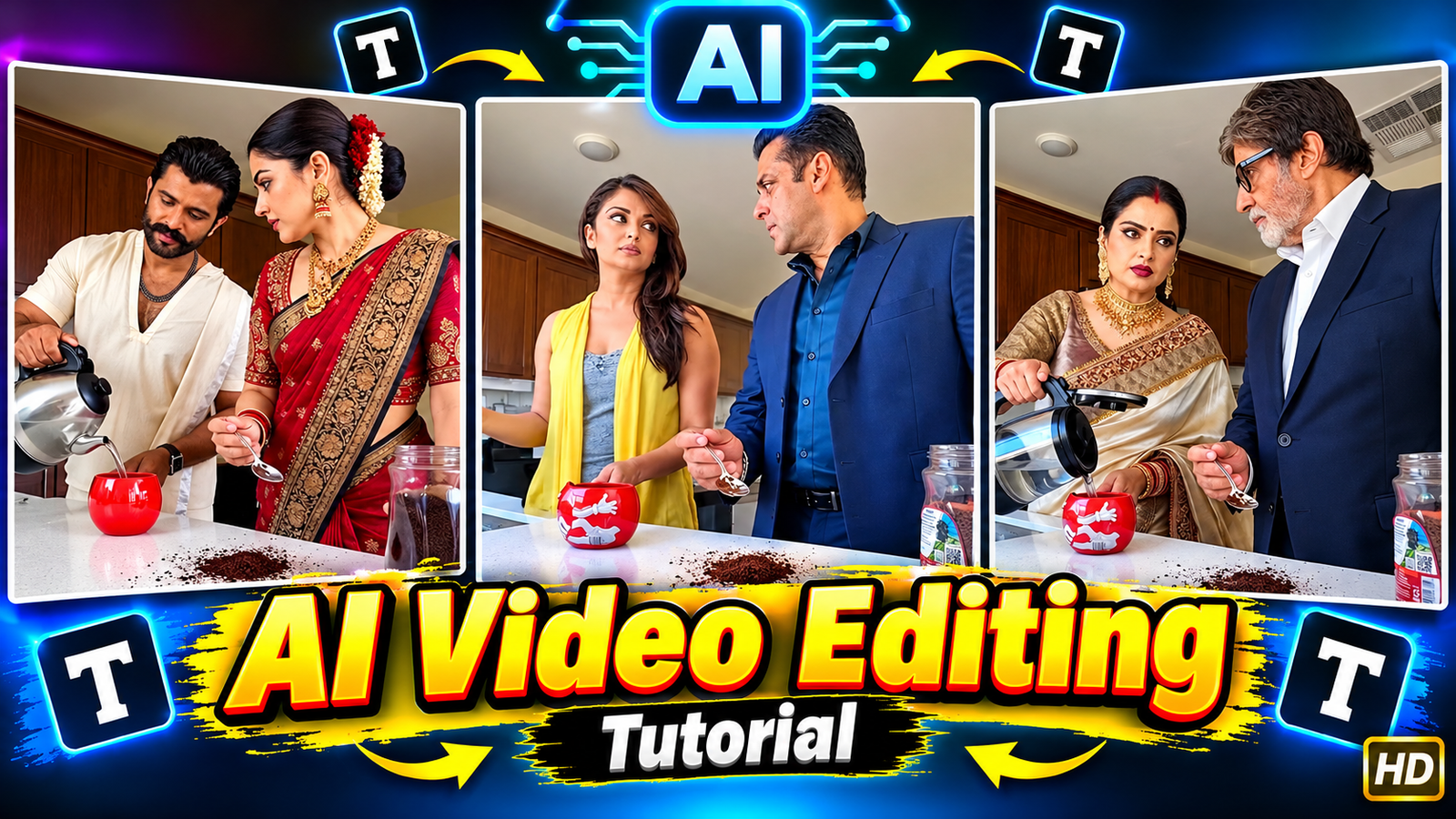
AI video generation technology is transforming how visual content is created today. Using deep learning models and advanced algorithms, these tools generate highly realistic and dynamic videos. Tools like Flow AI bridge the gap between imagination and reality, producing stunning cinematic visuals without physical sets.
The Power and Utility of Flow AI for Character Consistency
Flow AI represents the cutting edge of AI-driven creative tools. Creators can define specific visual styles, maintaining character consistency for high-profile personalities like actor Suriya, and apply cinematic lighting with precision.
AI Visualization of Dynamic Kitchen Environments
Generating realistic indoor scenes requires the AI to render complex surface reflections and ambient lighting. Flow AI excels at animating subtle movements, such as handlers handling kitchenware, naturally within the frame.
The Art of Prompt Engineering for Hyper-Realistic Output
Achieving the best results requires detailed and descriptive prompts, ensuring the AI captures precise lighting conditions, background environments, and fluid dynamics.
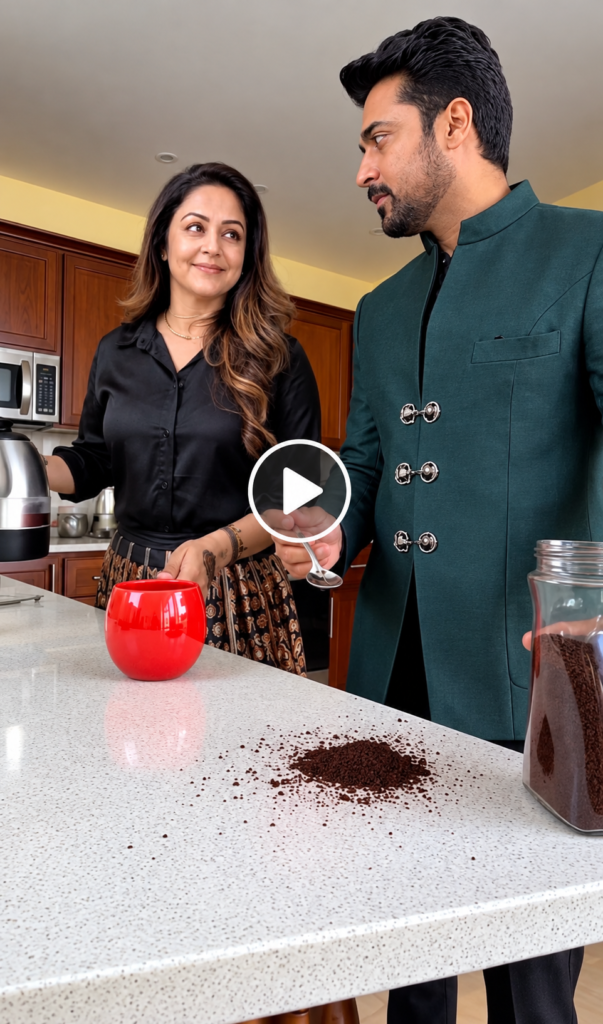
Replace only the two people in the source @Video 1. Replace the man SURIYA on the right wearing a shirt with the person in the first reference image (@Image 1). Replace the woman JYOTHIKA on the left wearing a black top with the person in the second reference image (@Image 2). Use the face, hair, skin tone, and full outfit from each reference image, keeping them identical in every frame, including side profiles and partially cropped shots. Do not use the outfits from the source video. No face drift, no reverting to the original people, and no swapping faces or outfits between the two characters. Motion: Follow the source video in 9:16 format with the same timing, gestures, head turns, eye-lines, and weight shifts: 0–1s: The SURIYA man points at the red mug while the JYOTHIKA woman picks up the kettle. 1.5–4s: The JYOTHIKA woman pours water from the glass kettle into the red mug while coffee falls from the SURIYA man’s spoon onto the counter. 4–5.5s: The JYOTHIKA woman puts the kettle down, and the man looks at her while holding the spoon. 6–7.5s: The SURIYA man leans forward, scoops coffee from the jar, and moves it toward the mug. 8–10.5s: The JYOTHIKA woman turns toward the back counter while the SURIYA man watches her. 11–11.5s: The SURIYA man spoons coffee into the mug again. 12s: The JYOTHIKA woman pours milk from a measuring cup, and it splashes onto the counter. 13–14s: The SURIYA man lifts the red mug by its handle and looks at the JYOTHIKA woman. Handheld objects (kettle, spoon, measuring cup, and mug) must stay in the same hands with identical timing and grip. Keep everything else exactly as in the source video: the kitchen, white speckled quartz counter, red mug with white cartographic design, large glass coffee jar, glass kettle with black lid, measuring cup, spoon, spilled coffee grounds, milk splash, dark wood cabinets, ceiling vent, and recessed ceiling light. Use the same handheld, low-angle, wide-lens camera, with identical framing and sway. No new camera movements. Maintain the same bright, soft daylight, shadows, and lighting without relighting. Keep the source audio unchanged.
The Future of AI in Filmmaking and Advertising
As these models become more advanced, the complexity and realism of video generation will increase. This will empower independent creators to produce visual commercials or short films rivalling major Hollywood studios, right from their computers.
Conclusion
In conclusion, platforms like Flow AI are driving a revolution in content creation. By making video production tools accessible through text prompts, creators can design cinematic art for global audiences. This technology paves new paths for visual storytelling, innovation, and limitless digital expression.