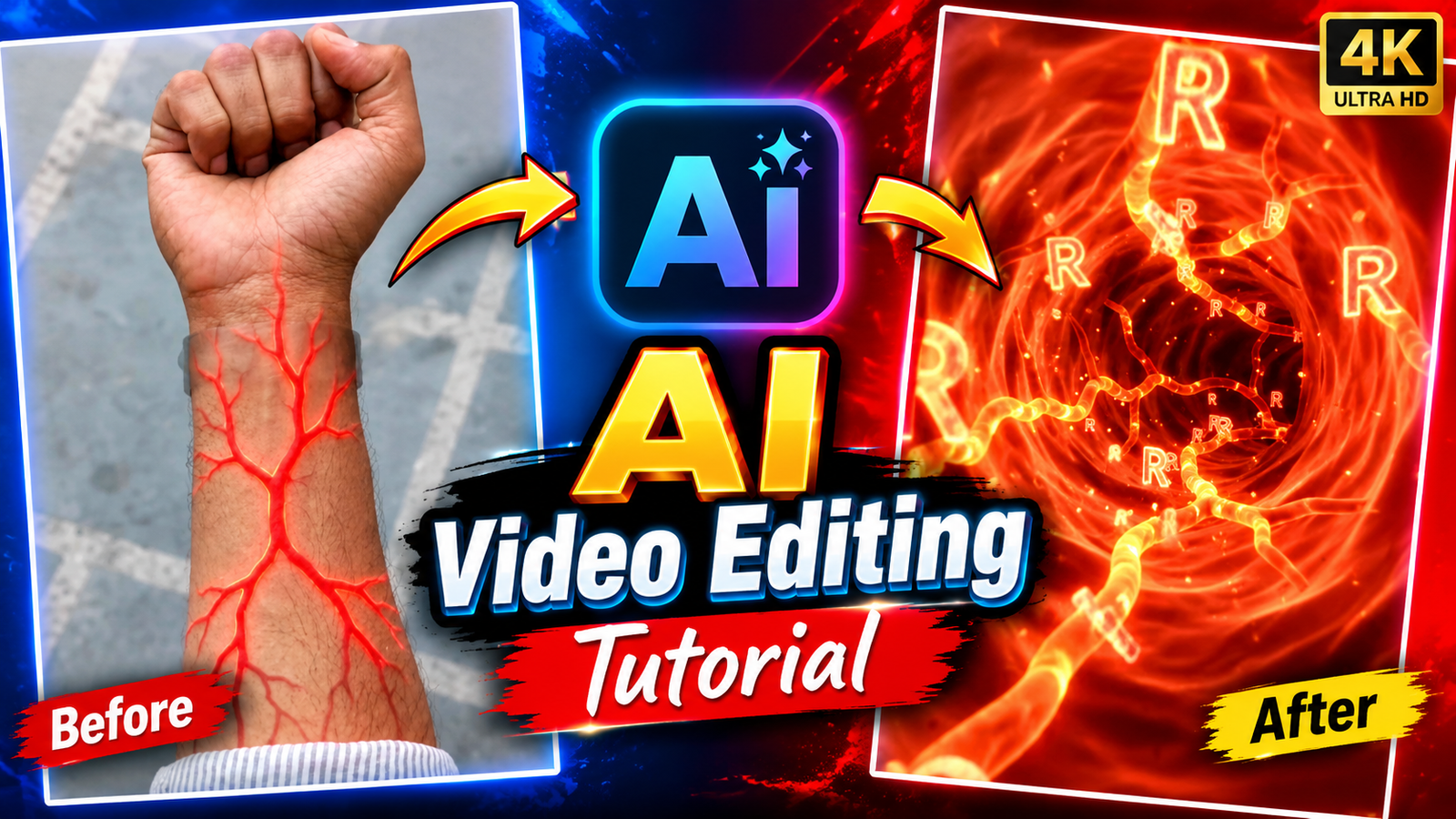
AI video generation technology is completely transforming how visual content is created today. Using deep learning models and advanced algorithms, these tools can interpret simple text prompts or initial image frames to generate highly realistic and dynamic videos. This has bridged the gap between imagination and reality, allowing independent creators to produce stunning cinematic visuals without the need for expensive cameras or large physical sets. Example: Transitioning a static image of a clenched hand into a lifelike, breathing video with glowing aesthetic effects.
2. The Power and Utility of Flow AI
Flow AI represents the cutting edge of AI-driven creative tools, serving as a powerful platform for generating dynamic scenes from simple inputs. Users can define specific visual styles—such as glowing veins or energy effects on a subject—and the AI processes this data to generate high-fidelity results. This significantly streamlines the post-production workflow for digital content creators. Example: Using a detailed prompt in Flow AI to animate a still photo and overlay vibrant, pulsing visual effects on the skin.
3. AI Visualization of Dynamic Physical Movements
This technology makes it incredibly easy to showcase realistic human anatomy and subtle details in motion. Creators can render sequences like a clenched fist with extreme precision, showing realistic skin textures, muscle tension, and the glow of veins. This realism captivates viewers on social media. Example: A still frame of an arm transitioning into a high-definition video showing the subtle energy glow in the veins.
4. The Art of Prompt Engineering
Achieving the best results with tools like Flow AI requires detailed and descriptive prompts. Precise information regarding lighting conditions, background environments, and the specific energy or vein glow effects must be included. This data guides the AI in generating exact results, ensuring the output matches your creative vision. Example: Describing a close-up shot of a hand’s veins pulsing with a specific luminous glow against a neutral outdoor background.
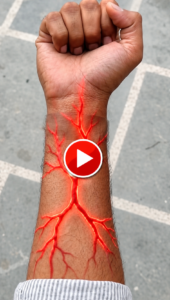
"A PHOTOREALISTIC, DYNAMIC VIDEO STARTING WITH AN EXTREME MACRO SHOT OF GLOWING RED VEINS EMERGING ON A PERSON'S WRIST. THE CAMERA SMOOTHLY ZOOMS IN, TRANSITIONING INTO A FUTURISTIC MICROSCOPIC TUNNEL OF LUMINOUS RED BLOOD VESSELS. FLOATING, GLOWING CRYSTAL LETTERS SPELLING '[ R ]' DRIFT SMOOTHLY TOWARD THE CAMERA WITHIN THE TUNNEL. HIGH FLUID DYNAMICS, LUMINOUS NEON HIGHLIGHTS, CINEMATIC MACRO LIGHTING, AND HYPER-REALISTIC PARTICLE MOTION."
5. The Future of AI in Filmmaking and Advertising
The future of AI content creation looks incredibly bright. As these models become more advanced, the complexity and realism of video generation will increase. This will empower independent creators to produce visual commercials or short films rivalling major Hollywood studios, right from their computers. Example: Independent creators producing high-end, cinematic character-focused clips using only AI tools.
6. Conclusion
In conclusion, platforms like Flow AI are driving a revolution in content creation. By making complex production tools accessible through simple prompts, creators can design cinematic and engaging videos for global audiences. This technology continuously paves new paths for visual storytelling, creative innovation, and limitless digital expression.